
What if talking about it hasn’t been enough?
You may not have words for what you feel. Or you may have talked about an experience and still feel stuck. Brainspotting offers another way to explore emotions and body sensations with a counselor, at a pace you choose.
Can where you look affect how you feel?
During Brainspotting, you may notice that different gaze positions bring different feelings or body sensations into focus. A counselor helps you find a place to rest your eyes while you attend to what comes up.
This is a way of exploring your experience—not a scan of your brain or a test of your nervous system.

What is Brainspotting, and how might it help?
Brainspotting is a brain- and body-oriented therapy approach that uses focused gaze and awareness of thoughts, feelings, and physical sensations. It may be considered as part of work on painful or overwhelming experiences.
You might bring a sense of being on guard, numbness, shame, avoidance, or relationship patterns that are difficult to change. Together, you and Dr. Crosse can explore what you notice and whether this approach fits your needs.
You don’t need to narrate every detail. You choose what to share, and can pause, ask questions, or stop.
A client-led approach. Your pace matters.
Talk together.
Start with what brings you here. Discuss whether this approach fits your needs and preferences.
Notice, with support.
If you choose to try it, notice what comes up while focusing your gaze. You can ask questions, pause, or stop.
Make room to reflect.
Talk about what you noticed and what you need next. Your experience helps guide the conversation.
Your comfort, readiness, and choices guide the process. You do not need to retell everything or know exactly what to say.
What does the research tell us?
Research on Brainspotting is still developing. Small exploratory studies offer preliminary findings, but do not establish how it works in the brain or predict an individual’s results. You can discuss the evidence, limitations, and other approaches before deciding whether to try it.
Study summary & limitations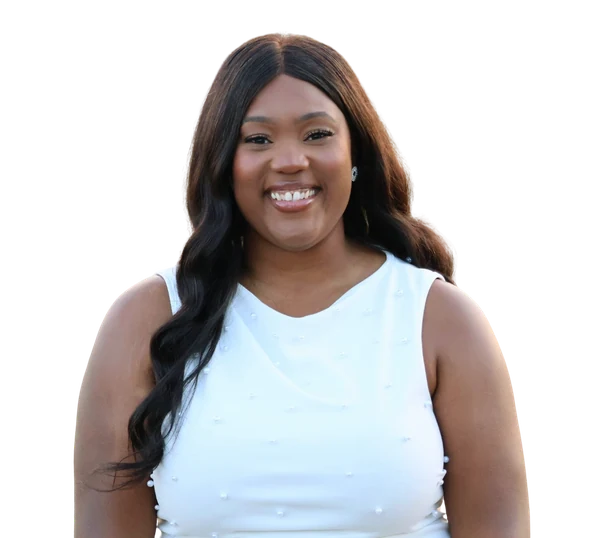
Start with your question.
Could this help with what I’m experiencing?
That is enough to begin. Talk with Dr. Crosse about your situation, your options, and what working together could look like.
Book a Consultation 15 minutes · No fee · No pressure to continueVirtual counseling · New York & New Jersey
Standard individual session: 53 minutes · $225
Extended individual session: 110 minutes · $450
Private pay · Insurance not accepted